
On this page
- Why commercial gutters are different
- Commercial gutter systems
- Common commercial gutter problems
- Business parks, the aquifer and salmon streams
- What a commercial gutter visit covers
- Maintenance plans
- Sizing for heavy days
- Building types we hear about
- Who arranges the work
- Safety and access
- Checking a commercial contractor
- Related services
Why commercial gutters are different
A commercial roof is usually bigger, flatter or both. A low-slope roof on a warehouse in Southeast Redmond or a mixed-use building in Downtown Redmond can collect water from thousands of square feet and send it to a handful of outlets. An office building or apartment complex may have tall walls, steep slopes and long runs that concentrate water at the corners. Residential 5-inch K-style is rarely the right answer.
Redmond's weather makes maintenance as important as sizing. With the regional record showing measurable rain on about 156 days a year, a commercial drainage system runs wet for months, and a single blocked scupper or leader can put water on a flat roof, down a wall or onto a sidewalk day after day. The heavier days are increasing too: the Seattle area recorded 68 days with more than an inch of rain from 2011 to 2020, and Redmond's hazard plan notes stormwater flooding on 150th Ave NE in Overlake.
Commercial gutter systems
| Component | Where it is used | Notes |
|---|---|---|
| Box gutters | Shops, warehouses, business parks | Large capacity; hung or built in |
| Large K-style (6-inch, 7-inch) | Apartments, churches, offices | Bigger version of the residential profile |
| Oversized downspouts (leaders) | Any large roof | 3x4, 4x5 or round; fewer clogs and more flow |
| Scuppers and collector boxes | Flat roofs with parapet walls | Water exits through the wall into a box and down |
| Conductor heads | Older buildings and parapets | Decorative and functional collector at the top of a leader |
| Overflow scuppers | Flat roofs | A second exit so a blocked drain does not pond the roof |
Common commercial gutter problems
- Clogged scuppers and outlets on flat roofs, especially near trees and on buildings with roof moss.
- Overflow at corners and valleys where two roof planes meet.
- Leaking seams on long sectional runs and older box gutters.
- Failed box gutter linings on business park and industrial buildings, sometimes leaking into the wall.
- Downspouts damaged by vehicles in parking lots and loading areas.
- Water at entrances and sidewalks, where downspouts discharge onto walkways.
- Undersized leaders and scuppers on big flat roofs.
Business parks, the aquifer and salmon streams
Much of Redmond's commercial space sits in business parks along Willows Road, in Southeast Redmond and in Overlake; the Willows Road corridor alone holds about 2.2 million square feet of office, industrial and retail space. Many of these buildings sit over the shallow aquifer that supplies the city's wells, which Redmond protects as critical aquifer recharge areas, and near salmon streams such as Bear Creek and Evans Creek, home to threatened chinook. That is why changes to how roof water is collected and discharged on a commercial site should be checked with the city before work starts.
What a commercial gutter visit covers
- Roof and drainage survey. Roof area, slope, outlets, parapets and where water currently ends up.
- Sizing. Gutter and leader sizes worked out for the roof area and local rainfall.
- Condition check. Seams, hangers, box gutter linings, scuppers and the structure they attach to.
- Access plan. Lifts, scaffolding, traffic or tenant management, and scheduling around business hours.
- Written quote. Scope, materials, schedule, warranty and any maintenance plan.
Maintenance plans
Commercial gutters benefit from a schedule, not a crisis call. Cleaning and inspection in fall, before the rain days climb, and again in spring suits most buildings; properties under conifers or with flat roofs and scuppers may need more. A written log of each visit helps with insurance and with spotting problems early. See gutter cleaning.
Sizing for heavy days
Commercial roofs are large and often flat or low-slope, so they send a lot of water to a few outlets. Rain here is usually steady, but heavy days are increasing: the Seattle area recorded 68 days with more than an inch of rain from 2011 to 2020, the most of any decade on record. Gutters, scuppers and downspouts that cope with ordinary rain can be overwhelmed on those days, and on a commercial building overflow often lands on entrances, walkways and loading areas.
When a commercial system overflows, the usual fixes are:
- Larger outlets and downspouts, such as 4x5 or round 6-inch, in place of residential sizes.
- More outlets so water travels a shorter distance along each gutter.
- Overflow scuppers on parapet roofs, so a blocked drain does not pond water on the roof.
- Heavier gutters such as commercial box profiles in thicker metal.
Building types we hear about
| Building | Common issues |
|---|---|
| Business park offices and R&D buildings | Long runs, scuppers, leaders sized for big roofs |
| Light-industrial and warehouse buildings | Box gutters, failing linings, undersized downspouts |
| Apartment and condo buildings | Long runs at height, many downspouts, HOA scheduling |
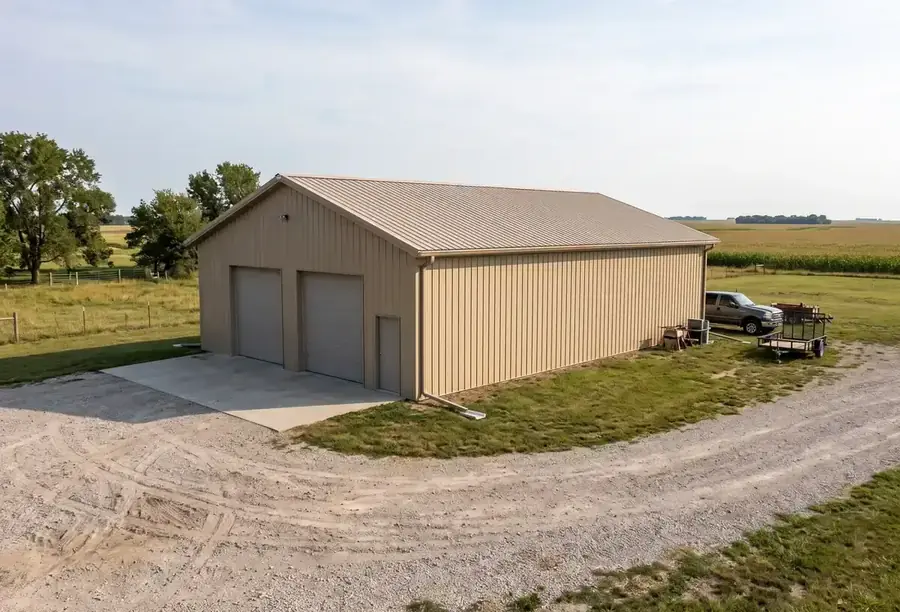
| Wineries, tasting rooms and farm buildings | Long roofs, outbuildings, traditional profiles |
| Retail and mixed-use buildings | Overflow onto entrances, staining on facades |
Who arranges the work
For multi-unit buildings, the HOA or property manager usually arranges gutter work. For leased commercial buildings, the lease decides whether the owner or tenant is responsible. Contractors can usually provide a written scope and photos for whoever approves the work.
Safety and access
Commercial gutter work often means working at height over sidewalks, parking lots and entrances. Ask the contractor how they will protect the public, whether they need a lift or scaffolding, and whether any street or sidewalk use needs a city permit.
Checking a commercial contractor
Related services
- Gutter installation and 6-inch gutters
- Copper gutters for churches and historic buildings
- Gutter guards for buildings under trees
- Downspouts and downspout repair